Sections
At the 10th Viet Literature Prize in 2024, which was open to Vietnamese-language writers around the world, a collection of poems by a young poet won the unanimous backing of the five-member jury: literary critic Lý Đợi, writer and Facebooker Thái Hạo, poet Ý Nhi, poet and painter Giáng Vân, and novelist Nguyễn Đức Tùng. The collection was named winner in the poetry category.
Yet unlike the winners in the other categories of that edition (prose, criticism, translation and the chairman’s special award), neither the poet nor the winning collection was revealed.
On the prize’s official website, the organizers said they would announce the winner’s name “at an appropriate time.”
Two years on, the author and the poems remain a mystery to the public.
The secrecy is not without reason. The organizers learned hard lessons early on. The caution dates back to 2018, when a young winner was harassed by police after accepting the prize. In 2022, another young winner was dissuaded by police from attending the award ceremony in Hồ Chí Minh City. On his way to the airport, he was reportedly beaten by strangers in front of police officers, for no apparent reason, and missed his flight and the ceremony. Since then, the organizers have decided to withhold the names of young winners who are living inside Vietnam to keep them safe.
“To avoid disadvantaging talented writers, and to avoid leaving gaps in the prize’s record, the award-winning authors whose names are being temporarily withheld will be announced by Văn Việt at an ‘appropriate time,’” says Nguyễn Viện, a writer based in Hồ Chí Minh City and a member of the jury of the poetry category.
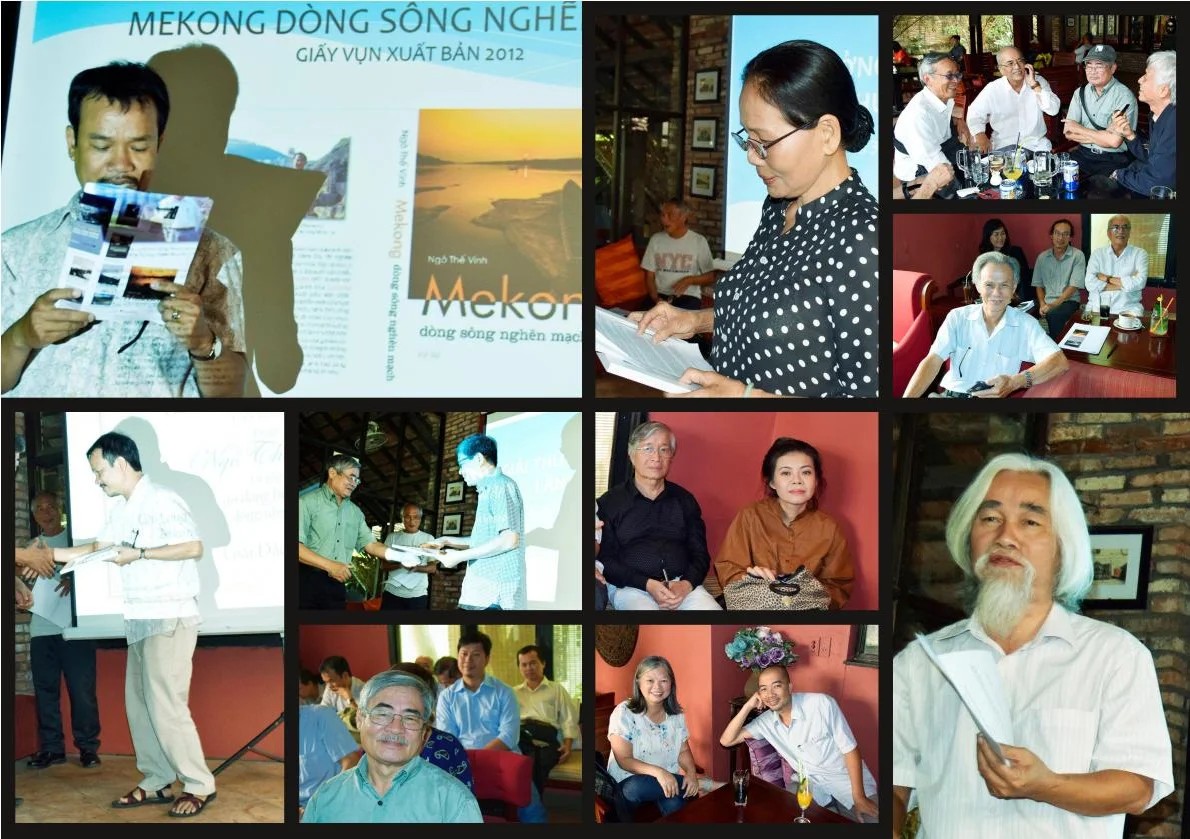
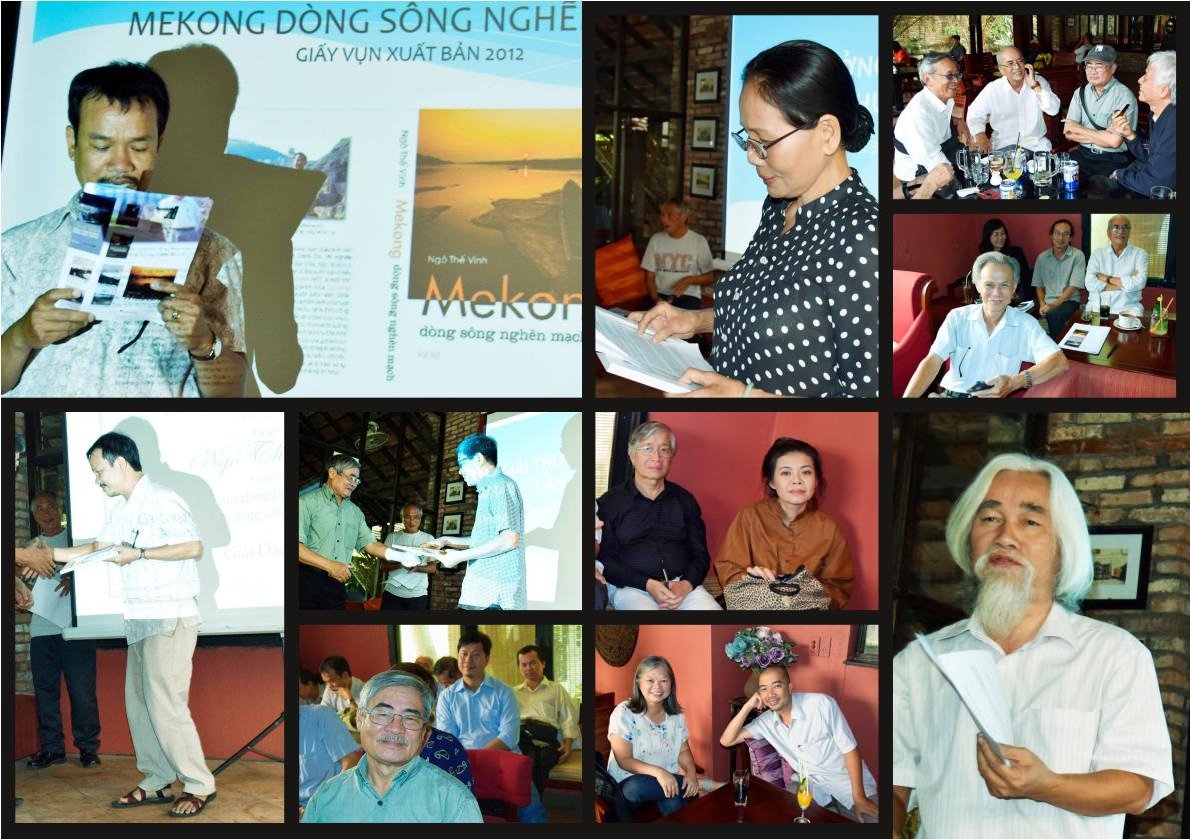
The prize was officially launched in 2016 by the Independent Writers Club, or Văn Việt for short, a collective established in 2014 by 61 intellectuals led by the eminent writer Nguyên Ngọc, a former colonel and former deputy of the National Assembly. It has never received recognition from the Vietnamese government.
Despite the constitutionally guaranteed freedom of association, Vietnam does not allow fully independent nongovernment organization. While the motto “Independence — Freedom — Happiness” has headed Vietnam’s official documents since 1945, the government grows wary of “independence” when anyone outside the state claims it. A legally recognized collective must be affiliated with a state agency and, once approved, needs permission for every single project. Yet Nguyên Ngọc and his colleagues have refused to compromise their autonomy, undeterred by shrinking civil liberties. They have founded the collective without registration, published banned books on their own website, brought politically sensitive news stories to public attention, raised their own funds, held annual awards and connected with Vietnamese-language writers and enthusiasts overseas. Staying unauthorized, however, does not mean enjoying unfettered freedom. Despite risks, the group continues its work true to their slogan, “for a free and humane Vietnamese literature,” to prevent literary talents from fading into oblivion.